The Debut Ink Club: First Tattoos After Forty, Minus the Midlife Cliché

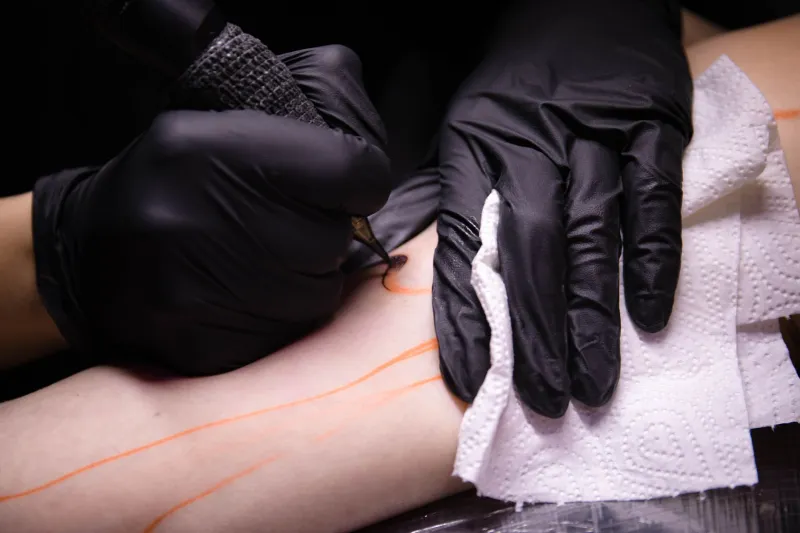
Photo: mature woman tattoo consultation with artist in UK studio, via i.pinimg.com
There’s a certain look that crosses a person’s face when they tell you they’re getting their first tattoo at 43. It’s part excitement, part disbelief, and part “please don’t ask me if I’ve thought about the pension.”
At Studio 69, we’ve noticed the debut-ink crowd getting older — and honestly, it’s one of the best shifts in UK studio culture. These aren’t daft spur-of-the-moment bookings made after three pints. They’re considered appointments, often booked months ahead, with a folder of references and a very specific question about healing time before a holiday.
So if you’re 40-plus and finally getting the tattoo you’ve been sketching on the back of envelopes for a decade, welcome. You’re not late. You’re just arriving with better admin skills.
The “Am I Too Old?” Question Needs Retiring
Let’s clear this up: there’s no cut-off age for a first tattoo. UK studios are full of people in their 50s, 60s and beyond getting pierced, inked and reworked. The only genuine limits are health-related, and those are a conversation for you, your artist and — if relevant — your GP. Not a rule invented by a cousin who thinks tattoos should be reserved for people under 25.
The better question is: are you getting something you actually want, in a place that works for your life? That’s a far more useful filter than worrying about whether you’ve “left it too late.” You haven’t. You’ve simply got more context about what you’d like to live with.
Older Skin Is Not Bad Skin — It’s Different Skin
A good artist won’t flinch when you mention your age. They’ll ask about skin condition, medication, sun exposure, scarring, previous surgery and how your skin tends to heal. That’s not ageism; it’s professional curiosity.
Skin changes over time. It loses some elasticity, can be drier, may have finer lines or old scars, and might react differently to ink. None of that rules out a great tattoo. It does affect planning. Fine-line work can soften over the years; bold shapes and strong contrast often hold up beautifully. Placement matters too — inner arm, thigh, upper back and calf are popular for first-timers because they’re manageable to heal and easy to cover if you need to.
If an artist suggests adjusting the design for longevity, don’t hear “you’re too old for this.” Hear “I want this to look intentional in ten years, not just on the day.”
Placement Is a Grown-Up Decision (Mostly)
By your 40s, you’ve usually got a decent grip on what your week looks like. That’s a huge advantage. You know whether you can take it easy for a few days, whether your job involves heavy lifting, and whether a fresh tattoo on the ribs will ruin your sleep before a big Monday meeting.
Our advice: choose placement for your actual life, not your fantasy one. A forearm piece is easier to show off or cover up. A thigh tattoo is brilliant if you want something big and private. Hands, necks and fingers are still possible, but they’re less forgiving for a debut — more visible, more fiddly to heal, and more likely to need touch-ups. There’s no moral high ground here. Just practical reality.
Healing Is a Team Sport
Aftercare is where first-timers often get nervous, especially if they’ve spent too long in internet rabbit holes. The basics haven’t changed: clean hands, gentle washing, light moisturiser, no picking, no soaking, no letting your mate’s dog use the fresh ink as a pillow. Your artist will give you a written aftercare sheet for a reason — follow that one, not a random forum post from 2012.
Older clients sometimes worry that healing will be slower. It can be, depending on general health and skin condition, but most tattoos heal perfectly well with sensible care. The bigger issue is usually overthinking. Don’t smother it, don’t scrub it, don’t panic on day three when it looks slightly grim. Healing ink is not a beauty pageant.
The Family Group Chat Will Have Opinions
You may get the classic lines: “What will your mother say?”, “Isn’t that a bit young?”, or “You’re not joining a band, are you?” You don’t need to win the debate. A simple “I’ve thought about it and I’m happy with it” is usually enough. If you want to keep it private until it’s healed, that’s fine too. Your body art doesn’t owe anyone a press release.
Workplace assumptions are similar. Plenty of UK workplaces are far more relaxed than they were a decade ago, but you’re allowed to be strategic. Ask about dress codes if you’re unsure. Choose a placement that suits your comfort level. And remember: you’re not obliged to become the office tattoo spokesperson just because you got one at 46.
The Debut Appointment, Practically Speaking
Bring references, but bring questions too. Tell your artist it’s your first tattoo. Say if you’re nervous. Mention any medication, skin conditions or healing concerns. Eat beforehand, bring water, and don’t book a big session if you’ve got a stressful week ahead. A debut tattoo doesn’t need to be a marathon — a smaller, well-placed piece can be every bit as meaningful as a full sleeve.
And if you’re worried about the pain? Be honest. Most people build it up into something far worse than it is. It’s uncomfortable, not unbearable, and a good artist will pace the session around you.
Coming to It Late Is Still Coming to It Right
Getting your first tattoo after 40 isn’t a trend to be embarrassed about. It’s just what happens when people stop waiting for permission. You’ve got the budget, the patience and the sense to choose a studio that suits you. That’s not a midlife cliché — that’s a decent starting point.
If you’ve been circling the idea for years, book the consultation. Bring the questions. Wear the good socks. The debut ink club is open, and the door isn’t closing just because you’ve got a few more birthdays behind you.