Scars, Stretch Marks and Surgery Lines: The Tattoo Consultation UK Artists Wish You’d Had First
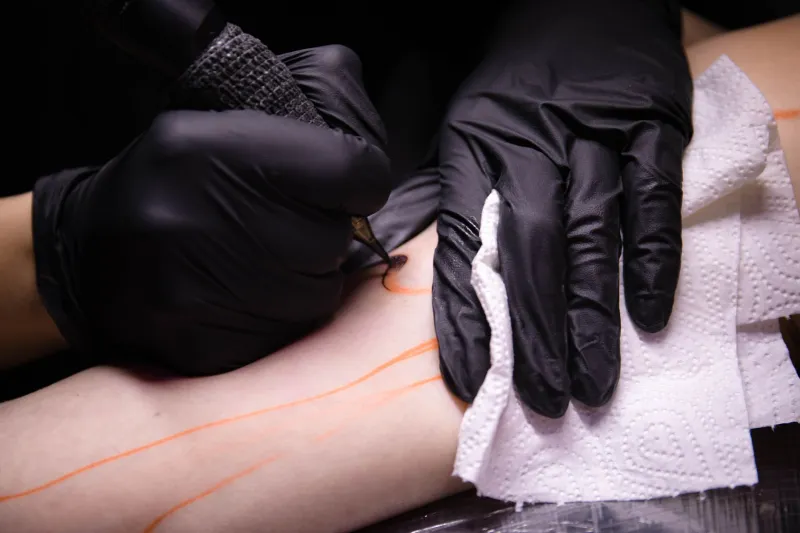
Scarred skin is not a blank page. It has history, texture and opinions. At Studio 69, we hear the same hopeful question every week: can you tattoo over it? The short answer is sometimes. The better answer takes a proper conversation, a clear pair of photos and an artist who will tell you the truth rather than just take the deposit.
As we head towards the end of 2026, more UK clients are asking for work over surgery lines, stretch marks, burns and old injuries. That is a good thing. It means body art is being used with intention, not just decoration. But scar work asks more of everyone involved — artist, client and aftercare routine — so let’s talk about what that actually looks like.
First, What Kind of Scar Are We Dealing With?
Not all scars behave the same way. A neat surgical line from years ago is a different beast from a raised, itchy keloid scar or a fresh burn. Stretch marks are a form of scarring too, usually flatter and softer, but they can still change how ink settles. Artists need to know what caused the scar, how old it is and how your skin has healed before.
That is why a good consultation starts with questions that might feel nosy. Have you had keloids before? Does the scar change colour in the cold? Is it painful, numb or itchy? Has it changed recently? If the answer to any of those is yes, the responsible move is often to pause and speak to your GP or a dermatologist. We are tattoo artists, not medics. Our job is ink, not diagnosis.
A scar generally needs to be fully healed and stable before anyone considers tattooing it. That can mean many months or longer, depending on the scar. A fresh surgery line is still remodelling. Ink placed too early can heal unpredictably, and no good artist wants to gamble with your skin just to hit a booking date.
The Questions That Matter More Than ‘Can You?’
The first question is not really whether a tattoo can go over a scar. It is why you want it there and what you expect from it. Are you hoping to camouflage the scar completely? Are you trying to reclaim a part of your body? Or do you simply like the idea of a design that follows the line? Those are different briefs, and they lead to different designs.
Artists also need to know how much texture change you can live with. Scar tissue can take ink differently from surrounding skin. It may hold less pigment, heal patchier or sit raised under the design. A tattoo over a scar is not a magic eraser. It is a new layer of art on top of real skin, and sometimes the scar will still be visible through it. That is not failure. It is honesty.
Placement matters too. Scars over joints, the sternum, ribs or ankles move and stretch more. Surgery lines can sit in areas where the skin is thin or sensitive. Stretch marks on hips, thighs or the lower back may take a design beautifully, but the artist needs to work with the grain of the skin rather than fighting it. Good scar work starts with a design that belongs to the body it is going on.
Design Is Not Just Concealment
There is a time for full camouflage and a time for integration. Some clients want the scar to disappear under dense blackwork or a bold botanical piece. Others want the scar acknowledged. A surgical line can become the stem of a plant, the edge of a geometric shape or the centre of a larger composition. Stretch marks can be woven into flowing lines, abstract forms or soft shading that follows the skin’s natural direction.
That is where experience shows. An artist who works with scarred skin will not simply slap a flash design on top and hope for the best. They will look at how the scar catches the light, how the surrounding skin takes ink and whether the design needs to be simplified or broken up. Sometimes less detail is better. Sometimes a bolder shape holds together more reliably than fine line work.
A small test area or a first-session approach can be sensible for bigger projects. It is not a guarantee, and it is not a medical patch test, but it can show how your skin responds before you commit to a full sleeve or a large back piece. Ask your artist how they prefer to stage scar work. If they promise perfection with no conversation, walk away.
Client Stories From the Studio Floor
Clients often tell us the same things. One person waits years after surgery before booking, then cries with relief when the design finally covers the line. Another wants a tattoo over self-harm scars and is nervous about being judged. A third has stretch marks they once hated and now wants them wrapped in bold, black-ink patterns. The reasons are personal, and none of them are silly.
The emotional layer is real. Scar tissue can carry grief, illness, accident, transition or survival. A tattoo can be a way of taking ownership, but it is not therapy and it is not a fix. Artists should be kind, clear and boundaried. Clients should feel able to say what the scar means to them, or to say nothing at all. You do not owe anyone your story to get good work.
The Practical Bit: Money, Healing and Aftercare
Scar work can take longer. The skin may be more sensitive, the ink may need more passes and healing can be less predictable. That can affect the price and the number of sessions. A studio that quotes a large scar project without seeing it in person is guessing. Send clear photos in natural light, then book a proper consultation.
Aftercare is broadly the same as any tattoo: keep it clean, follow your artist’s instructions, do not pick or scratch, and keep it out of the sun. But scarred skin deserves extra attention. If the area becomes hot, spreading-red, swollen or weeping, contact your studio and seek NHS advice. If you have a history of keloids or a skin condition that affects healing, get medical clearance before you book. That is not drama. That is basic care.
In 2026, UK tattoo culture is more open than ever about scar work, but openness is not the same as a green light. The best artists will ask awkward questions, refuse work that feels unsafe and design something that respects the skin you actually have. Scarred ground can hold brilliant tattoos. Just make sure the first question is not only ‘can you?’ — ask what your scar is, what it needs and whether now is the right time.