Hands Off the Fresh Ink: The Unwritten Rules of Touching Tattoos and Piercings
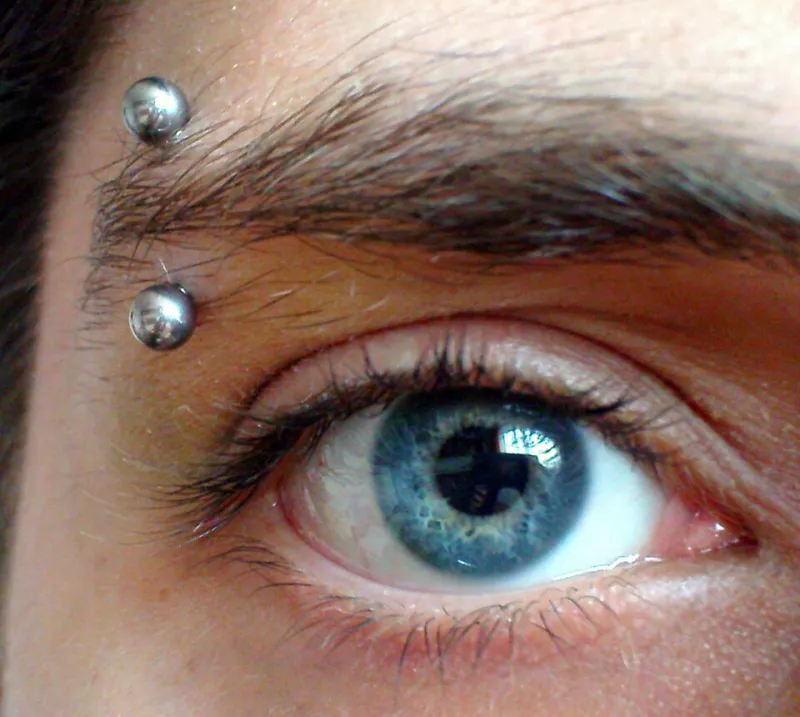
Photo: PeteBura, CC BY-SA 4.0, via Wikimedia Commons
It usually happens in a pub. Someone spots a tattoo, leans in, and asks the question that has launched a thousand awkward moments: “Can I touch it?” Sometimes it is a piercing. Sometimes it is a stranger’s sleeve. Sometimes it is your mate’s mate who has had four pints and thinks personal space is a rumour.
Curiosity is not the problem. Entitlement is. Body art is visible, but it is not public property. At Studio 69, consent culture is not a poster on the wall — it is the way we work, the way we talk to clients and the way we expect people to behave around fresh ink and healing metal. That should not stop at the studio door.
The Tube Test: Public Transport Is Not a Gallery
On the bus, the Tube or a packed train, you are already in a small metal box with too many people. Do not grab a stranger’s arm to get a better look. Do not lift a sleeve. Do not touch a piercing on someone’s ear because it is “right there”.
You can look. You can say, “That’s a brilliant tattoo.” You can ask a question if the person seems open to it. But you have to accept the first answer. If someone says no, or gives a short answer, or turns back to their phone, that is the end of the conversation. A polite compliment is lovely. A hand on a stranger is not.
Script for the person being touched: “Please don’t touch me.” You do not need to soften it. You do not need to explain. If you want to be friendlier: “I’d rather you didn’t, but thanks for the compliment.”
Script for the person reaching in: “Sorry — I shouldn’t have done that. It’s great work.” Then stop. Do not sulk, do not negotiate, do not say, “I was only being friendly.”
Pubs and Clubs: When the Lighting Is Low and the Confidence Is High
Alcohol makes some people feel like they have known you for years. A fresh piercing is not a fidget toy. A healing tattoo is not a scratch card. A healed tattoo is still attached to a person with feelings, preferences and a right to say no.
Healing piercings are especially vulnerable. Hands carry bacteria. A friendly yank on an earring can irritate the piercing, introduce infection and set back weeks of careful healing. If someone asks to see, you can turn your head. You do not have to offer a closer inspection.
Good scripts: “It’s still healing, so please don’t touch.” “You can look, but hands off.” “Not tonight, mate.” “I’m not doing photos, but thanks for asking.”
If someone keeps pushing, you are allowed to be blunt. “I said no.” You do not owe a stranger a smile while they ignore your boundary. If you feel unsafe, move away, find a friend, speak to bar staff or leave. Etiquette is not more important than your safety.
Asking for Photos: Flattery or Free Labour?
Someone asking for a photo of your tattoo is often paying you a compliment. It can also feel intrusive, especially if they want a close-up of a healing piercing, a private placement or work that is deeply personal. You are allowed to say no.
If you are the one asking, be specific and respectful. “Would you mind if I took a photo for my own inspiration?” is very different from shoving a phone in someone’s face. If they say yes, take the photo, say thank you and do not demand their artist’s name, their pain story or a full body tour.
If you are an artist or studio posting client work, get proper permission. That includes where the photo will be shared and whether faces will be shown. A good studio will not treat your body as content just because you sat in the chair.
Don’t Crowd the Chair
Watching an artist work can be fascinating. It can also be distracting, unhygienic and deeply annoying for the client in the chair. Unless you have been invited to watch, keep a respectful distance. Do not lean over the artist’s shoulder. Do not ask them to “quickly show” you their portfolio while they are tattooing. Do not bring a crowd into a piercing room like it is a spectator sport.
If you are waiting for your own appointment, sit down, keep your voice down and respect the space. Studios are not playgrounds. The person in the chair is having a medical-adjacent procedure, not a photoshoot.
Script for the artist or front desk: “I can show you the portfolio after this client is done.” “Please wait in the reception area.” “We don’t allow filming in the treatment room.” Friendly, clear, done.
Yes, No and Not Today: Scripts That Actually Work
You do not have to be rude to hold a boundary. You also do not have to be endlessly patient. Try these on for size.
- “Yes, you can look — just don’t touch.”
- “No, it’s still healing.”
- “I’d rather not be photographed today.”
- “Ask me again when it’s healed, maybe.”
- “I’m not comfortable with that.”
- “Hands off, please.”
- “I said no, and I mean it.”
For the asker, the only script you need is: “Can I see?” Then listen. If the answer is no, accept it. Do not ask again. Do not argue. Do not make the person feel rude for having a boundary. The fact that someone has beautiful ink does not give you a backstage pass to their body.
Why This Matters Beyond the Chair
Consent is not a one-off form you sign at the start of an appointment. It is a practice. It is asking before you touch. It is accepting no without a debate. It is understanding that a healing piercing is not an invitation and a tattoo is not a conversation starter you can grab.
Studios should model that behaviour. Artists should explain what they are doing before they do it, ask before adjusting clothing, check in during the session and respect a client’s right to pause or stop. Clients should feel able to say “not there”, “not today” or “I need a minute” without drama.
That culture should follow us out of the studio and onto the bus, into the pub, through the club and back home. Body art is meant to be seen, talked about and admired. It is not meant to be touched without asking. Keep your hands to yourself, use your words, and let people enjoy their ink in peace. That is not a difficult etiquette rule. It is just good manners with better boundaries.