Metal Meets Ink: Building a Body-Art Look That Feels Intentional

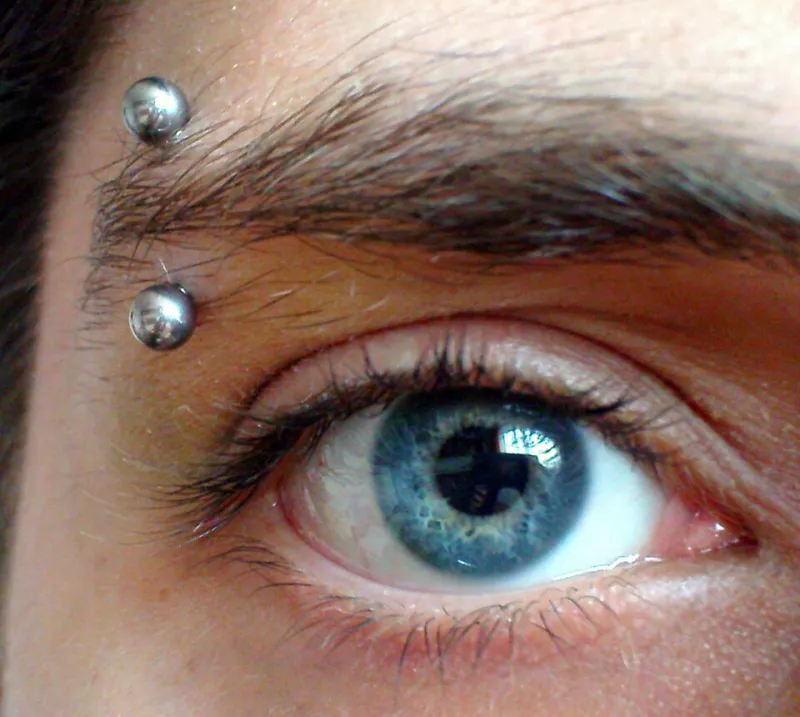
Photo: close-up ear curation multiple piercings and neck tattoo editorial style, via images.squarespace-cdn.com
Most body art doesn’t arrive as a fully styled collection. You get a piercing because you like the sparkle. Years later you book a tattoo because you want a piece of art you can take everywhere. Then you catch yourself in a changing-room mirror and realise your ear, nose and forearm are all having separate conversations. Curating ink and metal is not about matching a set. It is about giving those choices a shared rhythm.
At Studio 69, we see plenty of clients who treat tattoos and piercings as two different hobbies. They are not. They are two materials on the same canvas, and the best results happen when you plan them with a little bit of intent and a lot of honesty.
Start With Sightlines, Not a Mood Board
Before you add another piercing or book another tattoo, look at how your body is already read. Where does the eye land first? A bold forearm piece, a septum ring, a stacked ear or a neck tattoo all pull attention. You do not need to fill every gap. You need to decide which areas should be loud and which should stay quiet.
A simple way to do this is to think in sightlines. If you wear your hair up, your ear curation is on show. If you live in crew-neck tees, your collarbone and neck are part of the daily picture. If you have glasses, a bridge or high nostril piercing can either complement the frame line or fight it. None of this is a rulebook, but it is useful to notice what your clothes, hair and habits already frame.
The One Loud, One Quiet Rule
A cohesive look rarely means putting the biggest jewellery next to the boldest ink. More often, it means giving each zone a job. If you have heavy blackwork on your arm, a clean titanium stud or a simple seam ring can let the tattoo breathe. If your tattoo is fine-line and delicate, a statement ear piece or a slightly chunkier hoop can balance the softness without turning the whole look into costume.
This is not about being tasteful in a boring way. It is about contrast. A single loud element reads as a choice. Five loud elements in the same square inch read as noise. Pick your moment.
Jewellery That Works With Ink, Not Against It
Metal choice matters more than many people expect. Warm gold tones can sit beautifully against olive and deeper skin tones, while cooler titanium and white gold can look crisp against cooler complexions. But the bigger issue is quality. Cheap mystery metal is not a personality trait. It is a fast route to irritation, especially in healing piercings. Look for implant-grade titanium, niobium or solid gold from a piercer who can explain the finish and the fit.
Consider the colour of your ink too. Blackwork and grey-scale tattoos tend to work with almost any metal, but a polished silver tone can feel very graphic, while gold adds warmth. Colour tattoos can handle a little more play, but you still want the jewellery to feel like it belongs to the same outfit. If your tattoo is all muted greens and rust, a bright purple gem may be the perfect clash or the one thing that makes the whole area look accidental. Trust your eye, then ask a piercer for a second opinion.
Get Your Artist and Piercer Talking
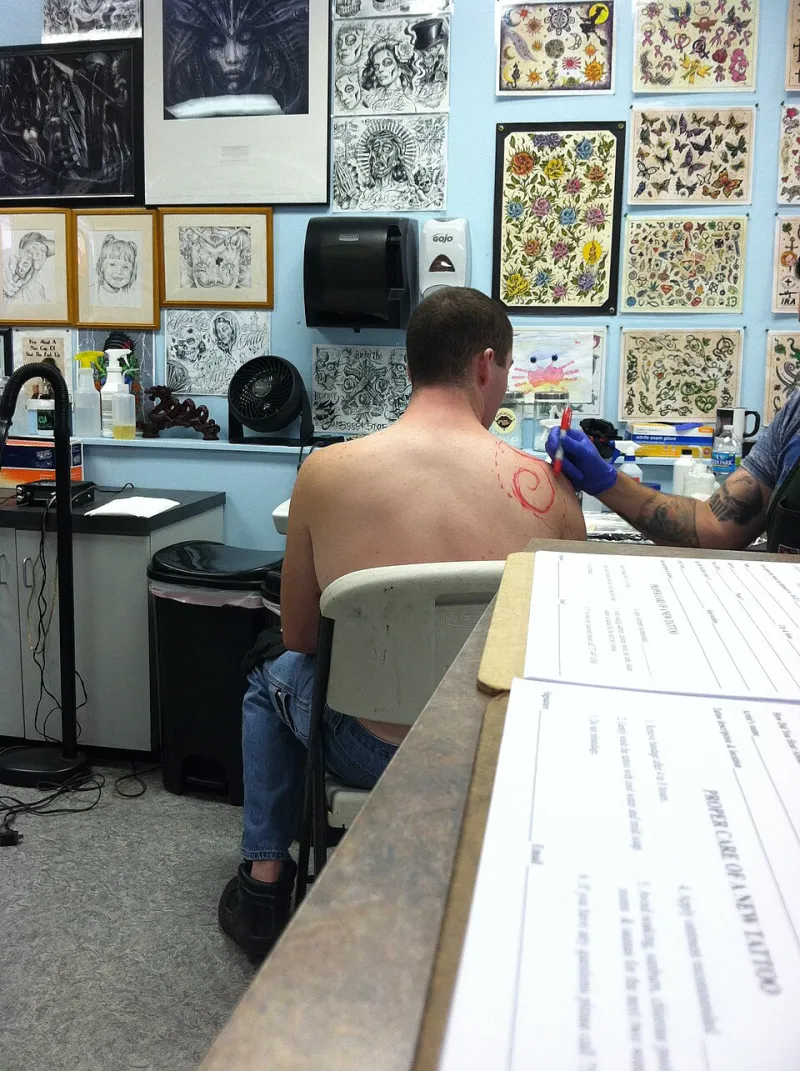
You do not need to bring your piercer to your tattoo consultation, but you do need to be the messenger. Tell your tattoo artist about any piercings near the placement, especially if you are planning ink around the ear, nose, neck or collarbone. Tell your piercer about upcoming tattoo sessions in the same area. Healing is a workload, and skin can only do so much at once.
A good rule is not to book a fresh piercing and a fresh tattoo in the same neighbourhood on the same day. Let one settle. If you are planning a big ear project, ask your piercer how jewellery downsizing will affect the shape of the stack before you commit to a tattoo behind your ear. If you are planning a neck or chest piece, think about whether a necklace, collar or piercing will cover the part you most want to show.
Healing Is Part of the Aesthetic
A curated look is not just about how it photographs on day one. It is about how it heals. A piercing that is angry, swollen or fitted with the wrong jewellery will not look intentional, no matter how good the curation is on paper. Follow your piercer’s aftercare advice, keep up with downsizing appointments and do not treat a healing piercing like a decoration you can swap whenever you get bored.
The same goes for tattoos. A patchy, sun-faded or scarred tattoo changes the balance of everything around it. Sunscreen, moisturiser and realistic healing time are not glamorous, but they keep the canvas in good condition for the next idea.
Build Slowly, Break Your Own Rules
The best body-art looks are usually built over years, not in one online shopping spree. You are allowed to change direction. You are allowed to mix metals if the mix feels deliberate. You are allowed to have a delicate ear stack and a heavy blackwork sleeve. The point of curation is not to follow a template. It is to make your choices look like they came from the same person.
Start with one area, live with it for a while and see how it feels in real life. Then add the next piece. That is how ink and metal stop being separate decisions and start becoming a look.