Metal Detectives: The 69-Second Piercing Jewellery Check That Saves Your Skin
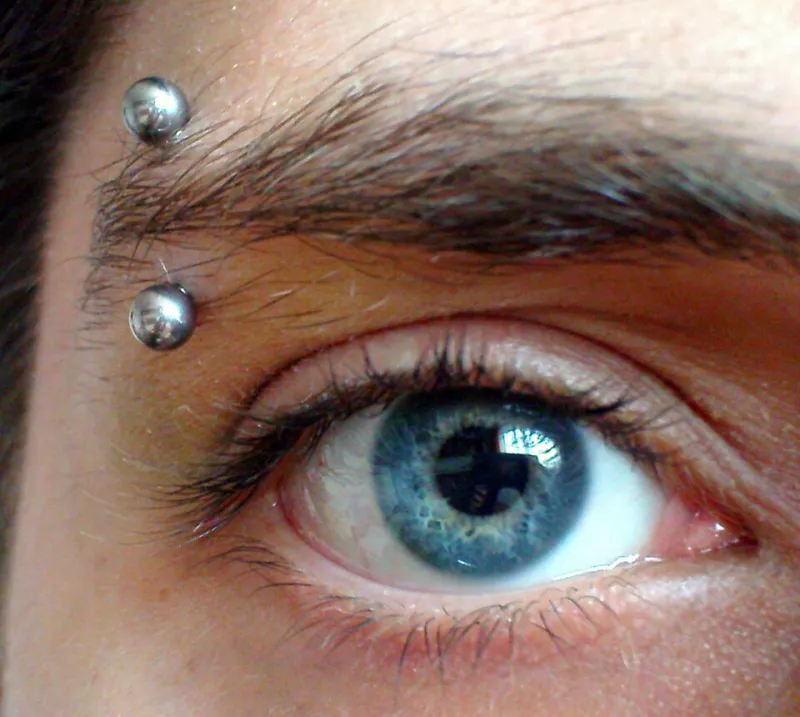
Photo: Lukas Stavek, CC0, via Wikimedia Commons
A piercing is a wound with jewellery in it. That sounds dramatic until you have spent three months nursing an angry cartilage bump because someone fitted a mystery-metal barbell and called it surgical steel. In 2026, UK piercing fans have more choice than ever, and more cheap rubbish to filter out. The 69-second check is not a guarantee of perfection. It is a fast way to spot the obvious red flags before they cost you time, money and a very sore ear.
The 69-second check
You are not doing a forensic exam. You are asking three or four direct questions and looking at what is in front of you.
-
Ask exactly what metal the jewellery is. Not the brand. Not the vibe. The metal. Good answers include implant-grade titanium, niobium or solid gold. Vague answers like surgical steel, hypoallergenic or premium alloy are not answers.
-
Ask for the standard if it is titanium. Implant-grade titanium is usually quoted as ASTM F136 or ASTM F67. If the studio cannot tell you, that is information. It might not be a disaster, but it is a reason to slow down.
-
Look at the finish. The surface should be smooth and mirror-polished. Check for seams, pits, flaking, rough edges or a coating that looks like it might peel. Fresh piercings do not want painted jewellery.
-
Check the threading. Internally threaded or threadless jewellery is generally kinder than externally threaded bars with sharp screw ends. If the jewellery looks like it came out of a lucky bag, say no.
-
Ask about sterilisation. The jewellery should be sterile, in a sealed pouch, with an indicator. The studio should have an autoclave and a log. You do not need to audit the machine, but you can ask how they sterilise and how often they test it.
-
Look at the station. Gloves, clean surfaces, needles from sealed packets and no loose jewellery lying about like crisps. If the setup looks chaotic, your immune system is not impressed.
-
Trust the pause. If any answer makes your stomach drop, you are allowed to leave. You do not owe anyone an appointment.
Nickel, mystery metal and the UK picture
Nickel allergy is common and deeply annoying. It can show up as redness, itching, swelling, crusting or a persistent bump that never quite settles. UK rules around nickel release in pierced jewellery exist for a reason, but cheap online imports and unverified alloys still slip through the cracks. A studio that cares will know what it is selling you.
Surgical steel is a classic trap because it sounds medical. It is not a regulated standard in the way people assume, and it can contain nickel. Hypoallergenic is another word that means almost nothing on a label. Sterling silver is lovely in a healed lobe, but it is not your friend in a fresh piercing. Gold-plated jewellery is costume jewellery with a posh accent. Acrylic and plastic are not ideal for fresh piercings either, no matter how cute the topper is.
Implant-grade titanium in plain English
Implant-grade titanium is popular because it is lightweight, strong and generally well tolerated. It is not magic. It still needs to be the right size, the right shape and properly sterilised. Anodised titanium is fine; the colour comes from an electrical process rather than paint. Coated black jewellery is a different conversation, so ask how the coating wears and whether it is suitable for a fresh piercing.
You do not need to demand a mill certificate while the queue looks at you. You do need to know the metal and the standard. A studio that uses quality jewellery will be happy to tell you. A studio that gets defensive about basic product information is telling you something useful.
How to ask awkward questions without feeling like a nuisance
Try this script: Can you tell me exactly what metal this is and what standard it meets? Is the jewellery pre-sterilised? Do you use a needle or a gun for this piercing? Can I see the autoclave log? What aftercare do you recommend for this placement?
None of that is rude. You are not accusing anyone of being dirty. You are being a customer with a body. Good piercers answer these questions all day. Great piercers answer them before you have to ask. If someone sighs, rolls their eyes or tells you to stop worrying, take that as your answer and go somewhere else.
Red flags that should end the appointment
A piercing gun for cartilage is a hard no. Reusing jewellery without proper sterilisation is a hard no. No consultation, no aftercare advice and no explanation of jewellery size are all warning signs. So is a price that is suspiciously low for a piercing that involves quality metal. If the studio cannot tell you what is going into your body, do not let it in.
The bottom line
A 69-second check will not make you a piercer. It will make you harder to rip off. Ask the metal question, look at the finish, check the sterilisation basics and listen to your gut. Your piercing should be a bold little act of self-expression, not a six-month battle with a cheap barbell. Studio 69's advice is simple: be friendly, be curious and do not apologise for wanting the basics done properly.