Ink for the Dark Months: Why Blackwork Is Owning UK Studios in 2026
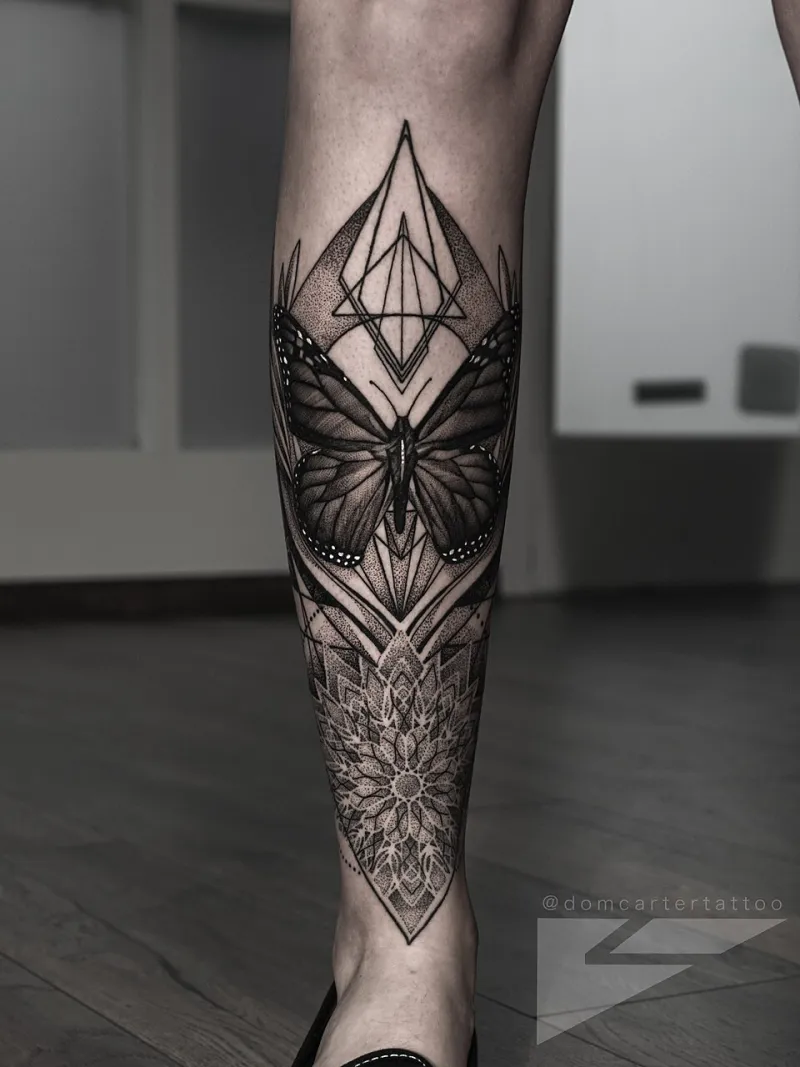
Photo: DomCarterTattoo, CC BY-SA 4.0, via Wikimedia Commons
The UK tattoo scene has always had a stubborn streak. We like our ink like our weather: direct, a bit moody and built to last. In 2026, that mood is showing up in blackwork. Walk into a busy studio in Manchester, Leeds, Bristol, Glasgow or London and you will see less pastel and more pure black: geometric sleeves, neo-tribal forearms, bold botanical pieces and big, high-contrast panels that look printed on skin rather than painted.
This is not a nostalgia trip. It is a practical shift, and winter is part of the story.
Why black is winning the long game
Colour tattoos are brilliant. They are also a commitment to maintenance. Sun exposure, ageing skin and the natural settling of ink can soften brights over time. Blackwork has a different deal with gravity. A well-packed black area holds contrast, reads clearly from across the room and usually needs less fuss to stay sharp. That matters to collectors who are thinking five, ten or twenty years ahead.
There is also the design factor. Blackwork forces the artist to solve the piece with shape, negative space and line weight instead of leaning on colour to do the heavy lifting. When it is done badly, it looks flat. When it is done well, it looks expensive. That gap is exactly why UK collectors are getting pickier about who they book.
Geometry, neo-tribal and the new bold
The styles driving the trend are not one neat category. Large-scale geometric work is still strong: mandalas, brutalist linework, repeated shapes and blackout sections that frame the body rather than decorate it. Neo-tribal is back too, but not as a joke. The new version is sharper, more deliberate and often mixed with fine line or dotwork. Think armour, not fancy dress.
Bold botanical and ornamental blackwork is another big one. Heavy leaves, stylised flowers, chunky ornamental cuffs and negative-space patterns are showing up on arms, thighs, sternums and backs. The common thread is confidence. These pieces are meant to be seen, not hidden under a cardigan until the right lighting.
Winter healing is different, not automatically easier
People love to say winter is the best time for a tattoo because the sun is weak. That is true up to a point. Less UV exposure means less risk of a fresh tattoo getting blasted by daylight, and long sleeves can keep a new piece covered when you are out and about. But British winter brings its own annoyances.
Central heating can dry out healing skin. Thick coats, scarves, tights and waistbands can rub against a fresh piece. Hot baths and long showers are tempting when it is freezing outside, but a new tattoo does not want to be soaked. And if you are back at the gym, cycling through town or carrying a heavy bag on a fresh shoulder, friction can do more damage than a bit of winter sun.
Summer healing gets the headlines because of sweat and sunshine. Winter healing is more about moisture, layers and logistics. Keep the area clean, follow your studio aftercare, moisturise lightly if advised, and do not smother it because it feels dry. If a coat is rubbing, change the coat or change the plan. A fresh back piece and a rigid winter jacket are not natural allies.
Planning a winter session like an adult
First, book a consultation rather than sliding into the chair on a whim. Winter is a good time to plan a larger piece because you can break it into sessions without feeling like you are missing summer. Ask about session length, healing expectations and how the studio handles touch-ups. A decent artist will not promise you a full sleeve in one sitting if your skin says otherwise.
Second, think about your calendar. Do not book a massive rib piece the day before a long train journey with a heavy backpack. Do not schedule a fresh thigh tattoo right before a week of tight trousers and office chairs. If you have a cold, a flare-up or a rubbish sleep pattern, reschedule. Your immune system is part of the appointment.
Third, ask what the studio recommends for winter aftercare. Some use second-skin style dressings, some prefer simple film and washing, and some have specific advice for dry indoor air. There is no single universal routine. The right answer is the one your artist gives you for that piece, not a random forum post from 2014.
The UK artists pushing it forward
The artists driving blackwork in the UK are less about one viral name and more about a network of studio specialists. Look at rosters in Leeds, Manchester, Bristol, Brighton, Glasgow, Cardiff and London. The ones worth booking show healed work, not just fresh, shiny photos. They explain line weight, placement and how the piece will age. They are honest about what will hold and what will blur. That matters more than a trendy grid.
A good blackwork artist will also tell you when blackwork is not the answer. If you want softness, colour or a very delicate look, say so. A specialist who tries to force every idea into heavy black is not listening.
Honest advice before you book
Blackwork is bold, but bold does not mean simple. It is unforgiving of shaky linework, patchy packing and bad placement. Cheap blackwork is rarely a bargain. If the price is suspiciously low for a large geometric piece, ask why. If the artist cannot show healed examples, be cautious. If they promise perfection on a difficult placement in one session, take a breath.
Winter is a genuinely good time to sit for a big piece. The light is softer, the pubs are warmer and nobody expects you to be at a barbecue with a fresh tattoo on show. Just plan for the practical stuff: loose layers, sensible aftercare and enough time to heal without rubbing your new ink against a winter coat every day.
That is the Studio 69 take: blackwork is not a trend because it is trendy. It is a trend because it lasts, it reads and it suits the way UK collectors actually live.