Wrapped, Not Booked: A Festive Guide to Tattoo and Piercing Vouchers
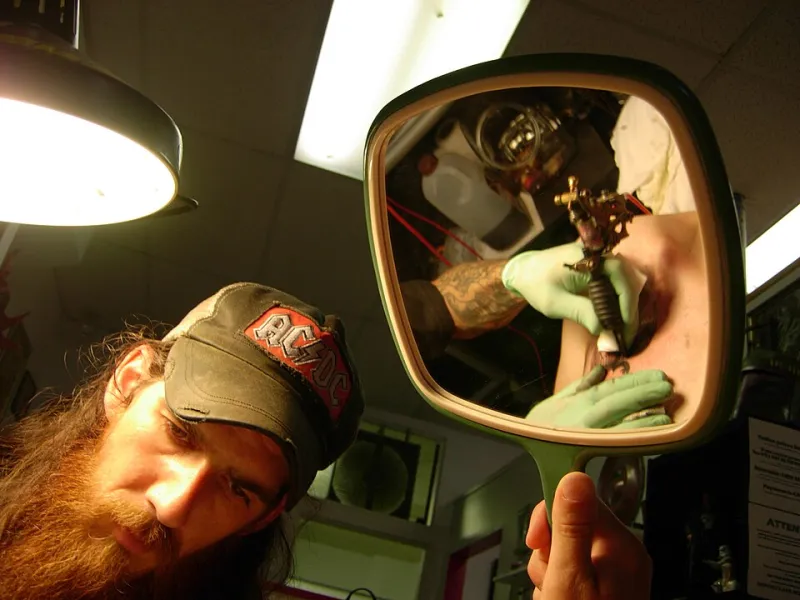
Photo: Todd, CC BY 2.0, via Wikimedia Commons
There is a particular look that crosses a tattoo artist's face when someone unwraps a voucher on Christmas morning and is immediately told they are booked in for a full sleeve on 27 December. It is not joy. It is the quiet dread of explaining, again, that body art does not work like a restaurant voucher. A piece of card cannot consent for anyone.
Vouchers are a genuinely nice idea. They let someone else put money towards ink or metal without guessing the design, the studio or the artist. But the festive season has a way of turning thoughtful into transactional. So here is the Studio 69 guide to giving tattoo and piercing credit like a grown-up: useful, pressure-free and honest about what a voucher can and cannot do.
A voucher is an invitation, not a booking
Most UK studios sell vouchers as credit towards a future appointment, not as a reservation. That distinction matters. A voucher might cover part of the cost of a tattoo, but it rarely replaces the consultation, the deposit or the artist's right to say no to a design that does not fit their style.
At many studios, including ours, a deposit is what holds the chair. Deposits are usually non-refundable and come off the final price. A voucher is a separate thing: money on account, a gift card, a credit note. Unless the studio explicitly says otherwise, do not assume your voucher has secured a date, an artist or a design. It has not. It has bought someone the option to start that conversation.
That is a good thing. It means the recipient still gets to choose the artist, the placement, the size and the timing. It also means they are not locked into a design they picked in a panic on Boxing Day.
Consent does not come gift-wrapped
This is the bit that gets missed in the festive rush. A tattoo or piercing voucher is not consent. The person receiving it still has to go through the same checks as anyone else: age verification, ID, a consultation, a discussion about aftercare and, in many studios, a conversation about whether they are sober, sure and not being emotionally steamrollered by a well-meaning aunt.
In the UK, tattoos are generally 18+ with very limited exceptions. Piercing rules vary by nation and studio policy, and under-16s often need a parent or guardian present for certain piercings. A voucher does not change any of that. It does not prove age. It does not stand in for a parent. It does not make a studio relax its consent process because the gift receipt is in the envelope.
If you are buying for a teenager, be clear about what the studio will actually allow. Do not buy a voucher for a piercing the studio will not perform on someone under 18 without a guardian. Do not buy a tattoo voucher for a 17-year-old and hope the vibe carries it. That is not a gift. That is putting a young person in the awkward position of being turned away.
The deposit conversation nobody wants to have
Vouchers and deposits get muddled every December. Someone buys a £100 voucher, assumes it covers the deposit, books a date, then discovers the deposit is separate and the voucher is credit against the final balance. Cue mild festive friction.
Ask the studio three questions before you buy:
- Does the voucher expire, and if so, when?
- Is it transferable if the recipient wants to give it to someone else?
- Can it be used against a deposit, or only against the final price?
Those answers should be on the studio's website or available at the desk. If they are not, ask. A good studio will not mind. A studio that gets shirty about basic voucher terms is probably not the one you want holding a needle near your mate's ribs.
How to phrase it without pressure
The best voucher comes with a sentence that gives the recipient an exit. Try something like: I have put a bit towards your next piece, whenever or if you want it. No rush, no obligation. That is it. No suggested design. No mentioned date. No implication that you will be disappointed if they use it for something small, or nothing at all.
If you want to be extra thoughtful, pair it with a note about why you chose that studio: because the artist's portfolio fits their style, because the shop is clean and welcoming, because it is local and easy to get to. Let the voucher be the door, not the push through it.
And if you are buying for someone who has never had ink or metal before, do not buy a voucher for a specific service. Buy credit. Let them research, ask questions and book a consultation. The best first appointment is often the one where nothing is tattooed or pierced at all.
If you are the one receiving it
You are allowed to say thank you and wait. A voucher is not a summons. If the design is not right, the timing is wrong, or you are saving for something bigger, let it sit. Check the expiry date, though. That is the one bit of admin worth doing before it gets lost in a drawer.
If you want to use it but are not sure where to start, ring the studio and ask how vouchers work there. Ask whether you need a consultation first, whether the voucher covers deposits and whether the artist you want has availability. None of that is rude. It is just being an adult with a piece of card.
The genuinely thoughtful version
A good festive voucher is flexible, clearly explained and free of emotional strings. It says: I know you love this stuff, I trust you to choose, and I am not going to make it weird. That is a much better gift than a specific design you picked because it looked good on Pinterest after three mulled wines.
So wrap it, write a kind note, and then let it go. Body art is personal. The best gift you can give someone is the space to decide for themselves.